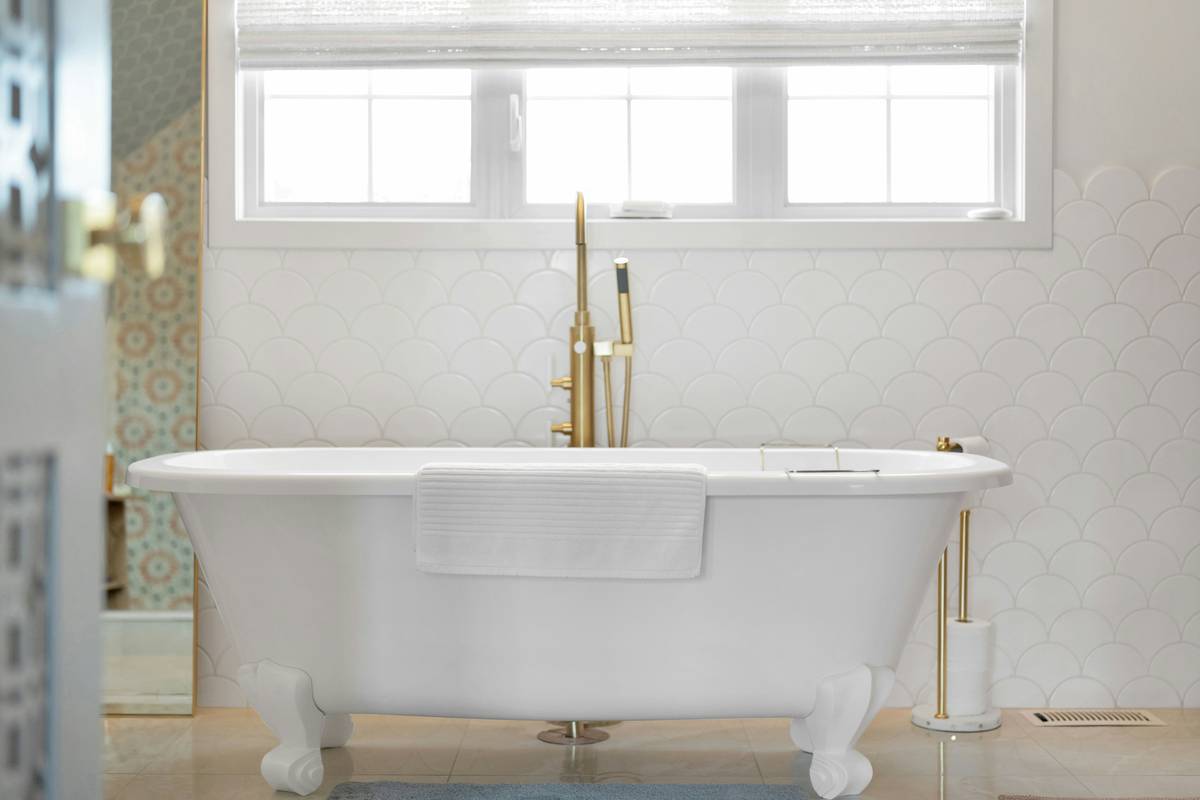
You’ve seen them in period films—those elegant, freestanding tubs with cast-iron curves and lion’s paw feet. But when you try to install an old fashioned clawfoot bathtub today, you’re hit with plumbing nightmares, weight concerns, and price tags that make your contractor flinch. The dream clashes with reality. Yet—what if it didn’t? With the right approach, vintage charm and modern function aren’t mutually exclusive.
The Hidden Hurdles of Installing Vintage-Style Tubs
Most homeowners assume a clawfoot tub is just “drop it in and hook it up.” Wrong. These beasts weigh 300–500 lbs empty—add water and a person, and you’re pushing 800+ lbs on flooring never designed for such loads. And plumbing? Standard wall outlets won’t cut it. You’ll need floor-mounted fixtures or expensive rerouting. Worse: many “vintage” tubs sold online are cheap reproductions with thin enamel that chips in six months.
Here’s the reality—authentic restoration isn’t about slapping on nostalgia. It’s engineering disguised as elegance.
How to Successfully Install an Old Fashioned Clawfoot Bathtub
Evaluate Structural Support First
Check your subfloor. If it’s not reinforced with doubled joists or steel support beams beneath the tub location, don’t proceed. Consult a structural engineer—this isn’t DIY territory.
Choose Between Authentic vs. Reproduction
True antique tubs (pre-1940s) offer unmatched craftsmanship but require custom refinishing. Modern reproductions use lighter materials but often lack depth and durability. The trade-off? Authenticity versus convenience—and cost.
Select Proper Faucet Configuration
Clawfoot tubs demand either deck-mounted or freestanding faucets. Wall-mounts look clean but mean tearing into tile. Freestanding rigs are stunning—but add $500–$1,200 to your budget.
| Option | Cost Range | Installation Complexity | Lifespan |
|---|---|---|---|
| Authentic Antique (Restored) | $1,800–$4,500 | High (custom plumbing, structural reinforcement) | 50+ years |
| Cast Iron Reproduction | $1,200–$2,800 | Moderate (standard floor drains, minor support upgrades) | 20–30 years |
| Absorbent Acrylic “Lookalike” | $600–$1,200 | Low | 5–10 years |
The Industry Secret: Refinish In Place—Don’t Replace
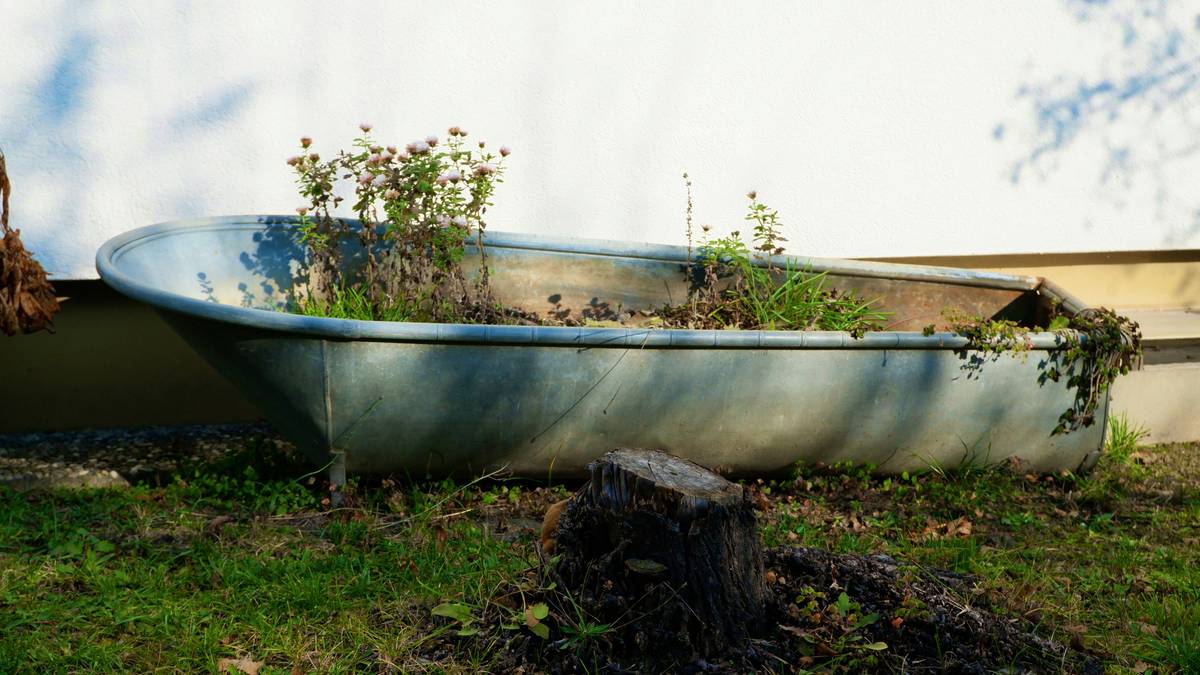
Contractors push new tubs because they’re easier to markup. But here’s what few admit: a genuine old fashioned clawfoot bathtub rarely needs replacing. The cast iron underneath degraded enamel is virtually indestructible. Instead of hauling out a 400-lb relic, hire a mobile refinishing specialist who sprays polymer coatings onsite. Done right, it looks factory-fresh and costs 60% less than buying new. I’ve seen clients in Savannah restore 1910 tubs this way—still gleaming after 12 years. The math is simple: preserve history, skip demolition chaos, and save thousands.
Frequently Asked Questions
Can my floor support an old fashioned clawfoot bathtub?
Most second-floor bathrooms can—if reinforced. Basements and ground floors typically handle the load. Always get a structural assessment before purchase.
Are clawfoot tubs harder to clean?
Only if poorly installed. Ensure at least 6 inches of clearance on all sides. Use non-abrasive cleaners—enamel scratches easily.
Do vintage tubs hold heat better than modern ones?
Yes. Cast iron retains heat far longer than acrylic or fiberglass. A hot soak lasts 20–30 minutes without reheating.