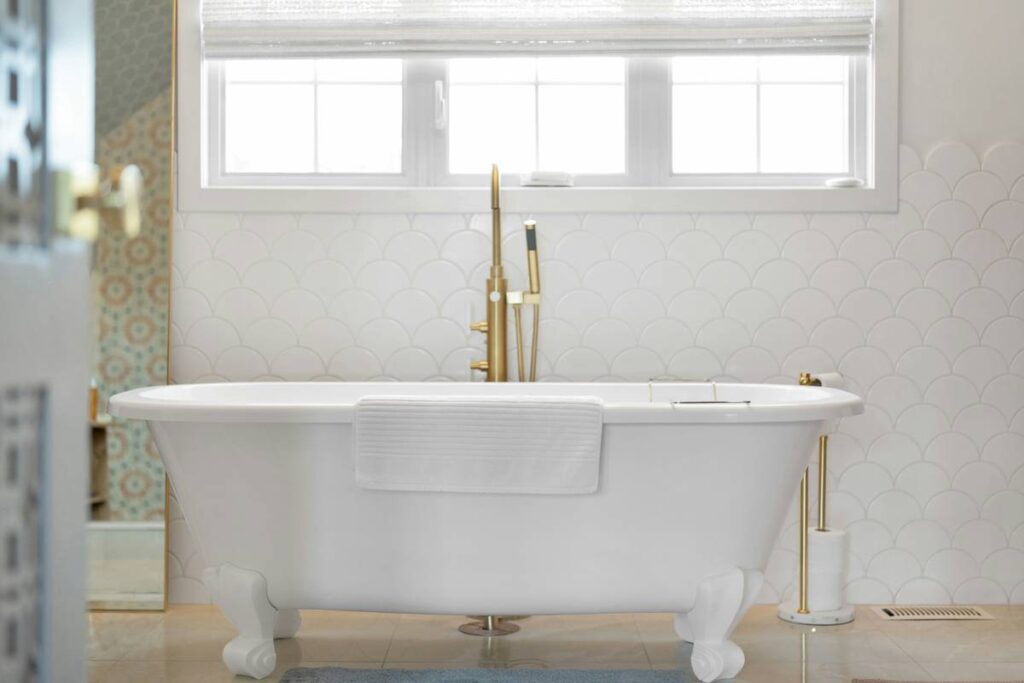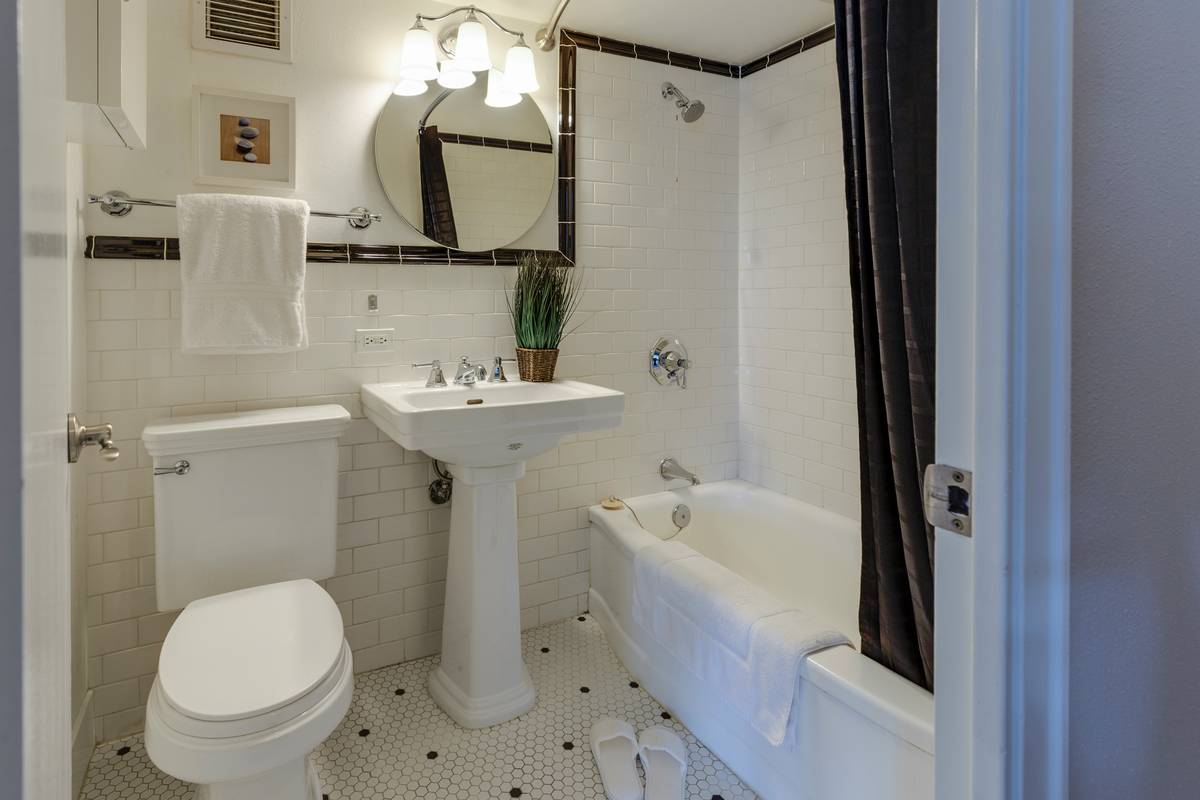
You love the idea of a vintage bathroom with clawfoot tub—elegant, timeless, romantic. But reality bites: cramped layouts, leaky faucets, mismatched tiles that scream “thrift store disaster,” not “curated charm.” Most DIY attempts end up looking like a museum exhibit gone wrong. The good news? You don’t need a historic home or a six-figure budget to nail this look. You just need the right strategy—and a few secrets most contractors won’t tell you.
Why Most Vintage Bathroom Renovations Fail
People assume slapping a clawfoot tub into any old bathroom automatically creates vintage magic. It doesn’t. Without intentional design harmony, you get clutter—not character. And clawfoot tubs aren’t plug-and-play. They demand space, specific plumbing access, and thoughtful sightlines. Too often, homeowners prioritize the tub over everything else—then cram in modern vanities, LED mirrors, or industrial shelving that clash violently with the tub’s Victorian soul.
The result? A disjointed mess that feels neither old nor new—just confused.
Step-by-Step Guide to Building a Cohesive Vintage Bathroom with Clawfoot Tub
Forget “just add shiplap.” Real vintage style hinges on three pillars: proportion, material authenticity, and intentional imperfection. Here’s how to execute it without wasting money or sanity.
Selecting the Right Clawfoot Tub Style
Not all clawfoot tubs are equal. There’s the classic roll rim, the slipper (one raised end), and the double-ended. For tighter spaces under 60 sq ft, go single slipper—it saves floor room and offers back support. In larger bathrooms, double-ended models command attention but require center-floor placement, meaning plumbing rerouting is often unavoidable.
Pairing Fixtures That Don’t Break the Illusion
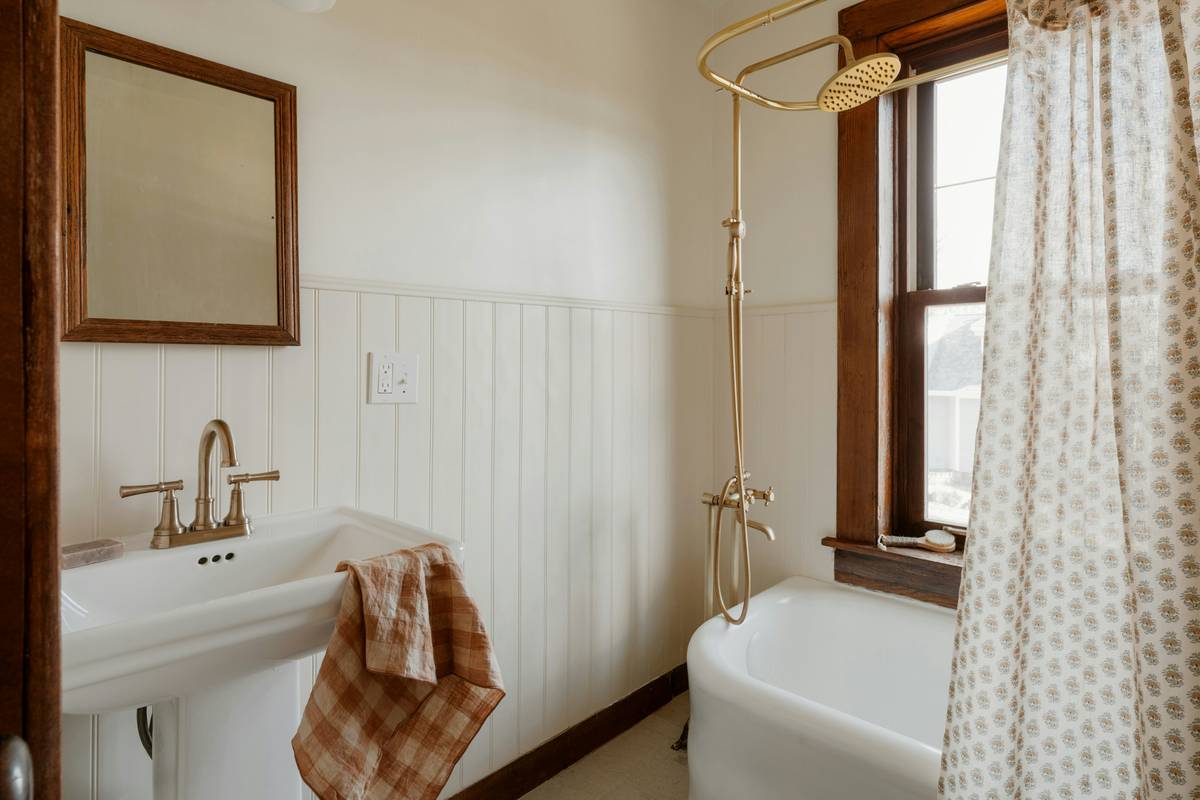
Install period-appropriate faucets—think cross handles, exposed pipes, and unlacquered brass that develops a patina. Avoid chrome; it screams 1990s condo. If your budget’s tight, reproduction fixtures from brands like Kingston Brass or Rejuvenation offer vintage aesthetics without antique pricing.
Tile, Walls, and Lighting: The Silent Storytellers
Subway tile? Fine—but only if it’s laid in a running bond with dark grout. Better yet: hexagonal floor tiles or hand-glazed zellige for walls. Paint walls in muted, mineral-based hues like Farrow & Ball’s “Down Pipe” or Sherwin-Williams’ “Repose Gray.” And lighting? Go for wall sconces with fabric shades or aged brass pendants—never recessed LEDs in the main zone.
| Element | Budget-Friendly Approach | Luxury Execution |
|---|---|---|
| Clawfoot Tub | Refurbished cast iron (local salvage yard) – $400–$800 | New high-gloss enameled tub with custom feet – $1,800–$3,500 |
| Faucet & Drain | Reproduction wall-mount kit – $250–$400 | Antique-original or custom-milled solid brass – $900+ |
| Wall Treatment | Matte paint + picture rail molding – $200 materials | Handmade zellige tile or real beadboard wainscoting – $2,500+ |
| Lighting | Vintage-style plug-in sconces (hardwire conversion) – $120/pair | Custom forged brass wall lights – $600+/each |
The Industry Secret: Hide Modern Functionality Behind Vintage Facades
Here’s what top designers do quietly: they embed modern performance inside vintage-looking shells. Example? Run PEX tubing behind walls for easy maintenance, but terminate it in visible brass risers that look original. Or install a thermostatic valve inside the wall—controlled by a vintage-style handle outside. Even better: mount a discreet linear drain under the tub skirt for quick overflow handling, invisible unless you’re scrubbing baseboards.
And insulation—yes, insulation. Line the underside of the tub with closed-cell foam before final placement. A cast iron tub drains heat fast; nobody wants a lukewarm soak after five minutes. This trick costs $30 and adds 20+ minutes of warmth. Contractors skip it because it’s invisible. You shouldn’t.
Frequently Asked Questions
Can I install a clawfoot tub in a small bathroom?
Yes—if you choose a single-slipper model and mount faucets on the wall, not the tub. Leave at least 24 inches of clearance on the open side for access.
Are clawfoot tubs hard to clean?
The exterior yes—the curved base traps dust and hair. But the interior enamel is smoother than most acrylic tubs. Use a soft microfiber duster weekly on legs and skirt.
Do vintage-style bathrooms lower home value?
Not if executed cohesively. Buyers pay premiums for unique, well-done period details. But avoid overly niche themes—stick to classic 1890–1930 aesthetics, not Hollywood Regency or Art Deco extremes.