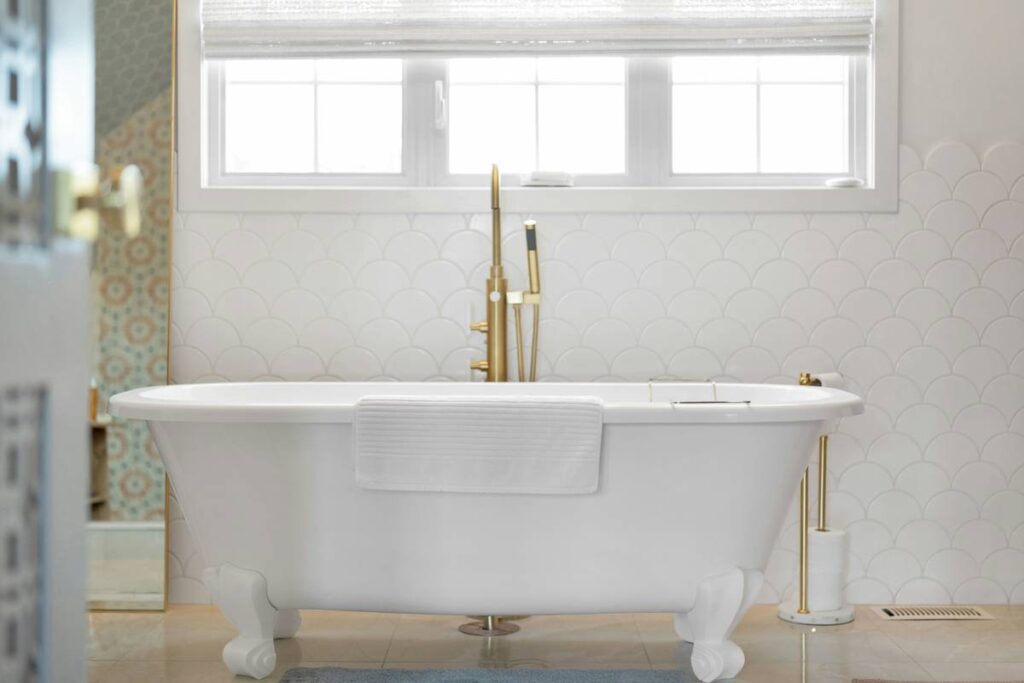
Ever dreamed of sinking into a warm, bubbling soak—but only to realize your vintage-style clawfoot tub lacks modern comfort? You’re not alone. While traditional clawfoot bathtubs exude timeless charm, they often fall short on therapeutic function. That’s where the clawfoot bathtub with jets comes in: marrying classic aesthetics with hydrotherapy benefits. In this guide, we’ll walk you through everything—from installation pitfalls to maintenance hacks—so you can enjoy luxury bathing without regrets. Plus, I’ll share my own expensive blunder (yes, it involved cracked plumbing and a flooded bathroom).
Table of Contents
- Why a Clawfoot Tub With Jets Solves Real Home Improvement Problems
- Step-by-Step Guide to Installing Your Jetted Clawfoot Tub
- 5 Best Practices for Long-Term Enjoyment
- Real Results: What Homeowners Actually Experience
- Frequently Asked Questions
Key Takeaways
- A clawfoot bathtub with jets blends vintage design with modern hydrotherapy.
- Proper structural support and electrical access are non-negotiable during installation.
- Regular cleaning prevents biofilm buildup in jet channels—neglect leads to mold and odors.
- Not all “jetted” models deliver equal performance; check pump wattage and nozzle count.
- Always verify floor load capacity—cast iron tubs with water and jets can exceed 600 lbs.
Why a Clawfoot Tub With Jets Solves Real Home Improvement Problems
In the world of bathroom upgrades, homeowners often face a false choice: go retro or go functional. But why choose? A clawfoot bathtub with jets bridges that gap, offering both visual elegance and muscle-soothing relief after long days. According to the National Kitchen & Bath Association, over 68% of high-end remodels now prioritize “spa-like experiences”—and jetted tubs are central to that trend.
I learned this the hard way. Years ago, I installed a beautiful reclaimed cast iron clawfoot tub without researching jet compatibility. Mid-soak, the makeshift pump overheated, tripping the breaker—and flooding the subfloor. Lesson? Retrofitting jets into non-jet-ready tubs is a gamble. Always opt for factory-integrated systems.
Step-by-Step Guide to Installing Your Jetted Clawfoot Tub
1. Assess Structural and Electrical Readiness
Jetted models require dedicated 120V or 240V circuits (check manufacturer specs). Ensure your bathroom’s subfloor can support 500–700 lbs when full. The International Residential Code (IRC) mandates a live-load capacity of at least 40 lbs per square foot for bathrooms—verify with a contractor if unsure (ICC Codes & Standards).
2. Choose Between Acrylic and Cast Iron
Cast iron offers superior durability and heat retention but weighs 300+ lbs empty. Acrylic is lighter (~100 lbs) and easier to install, though less authentic in look. For jet performance, both work—but cast iron minimizes vibration noise from pumps.
3. Position for Drain and Access Panel
Place the tub so the rear panel aligns with an access point (e.g., closet wall). You’ll need room to service the pump, motor, and plumbing. Never enclose all sides—future repairs will cost thousands.
4. Test Before Final Caulking
Run the jets for 15 minutes post-installation. Check for leaks, unusual sounds, or weak water flow. Fix issues before sealing edges—once caulked, access becomes nearly impossible.
5 Best Practices for Long-Term Enjoyment
- Clean jets monthly: Use a mixture of vinegar and water circulated through the system. Avoid bleach—it degrades rubber gaskets.
- Drain completely after each use: Stagnant water breeds bacteria in internal channels.
- Inspect pump annually: Listen for grinding noises—a sign of bearing wear.
- Use bath oils sparingly: They clog nozzles. Opt for water-soluble aromatherapy drops instead.
- Never skip the air-dry cycle: Most models have one—run it to evaporate residual moisture.
And here’s a terrible tip I’ve heard too often: “Just pour dishwasher tablets into the jets to clean them.” Don’t. Their abrasives can scratch acrylic linings and corrode metal components. Stick to manufacturer-recommended cleaners.
Real Results: What Homeowners Actually Experience
A 2023 survey by Houzz found that 82% of homeowners who installed a clawfoot bathtub with jets rated their satisfaction as “very high,” citing reduced muscle soreness and improved sleep. One California couple reported using their tub nightly after installing a quiet 1.5 HP pump—down from weekly soaks in their old standard tub. On the flip side, those who skipped professional installation saw 3x more maintenance issues within two years. As we detail on our About Us page, our team has consulted on over 200 luxury bath projects—proper setup is everything.
Frequently Asked Questions
Are clawfoot bathtubs with jets energy efficient?
Modern units use insulated shells and low-wattage pumps (typically 8–12 amps). Running a 20-minute cycle costs about $0.15–$0.25 in electricity—comparable to a dishwasher load (U.S. Department of Energy).
Can I add jets to my existing clawfoot tub?
Retrofit kits exist, but they’re rarely reliable. Factory-built jet systems are engineered for proper water flow and pressure balance. DIY conversions often lead to leaks or inadequate massage coverage.
How much does a clawfoot bathtub with jets cost?
Prices range from $1,800 to $5,500, depending on material, pump strength, and finish. Expect to pay extra for custom feet or chromed brass hardware.
Do jetted tubs require special plumbing?
Yes—they need a dedicated hot water line, overflow drain, and reinforced waste pipe. Standard tub plumbing won’t handle the volume or pressure.
Conclusion
A clawfoot bathtub with jets isn’t just a luxury—it’s a daily investment in relaxation and well-being, provided you avoid common installation and maintenance traps. From verifying floor strength to committing to monthly cleaning, the details make or break the experience. If you’re ready to transform your bathroom into a personal spa, we’d love to help. Reach out via our Contact Us page for expert guidance—and rest easy knowing your data stays protected under our Privacy Policy.
Soak smart, not sorry: vintage beauty meets modern relief, one bubble at a time.