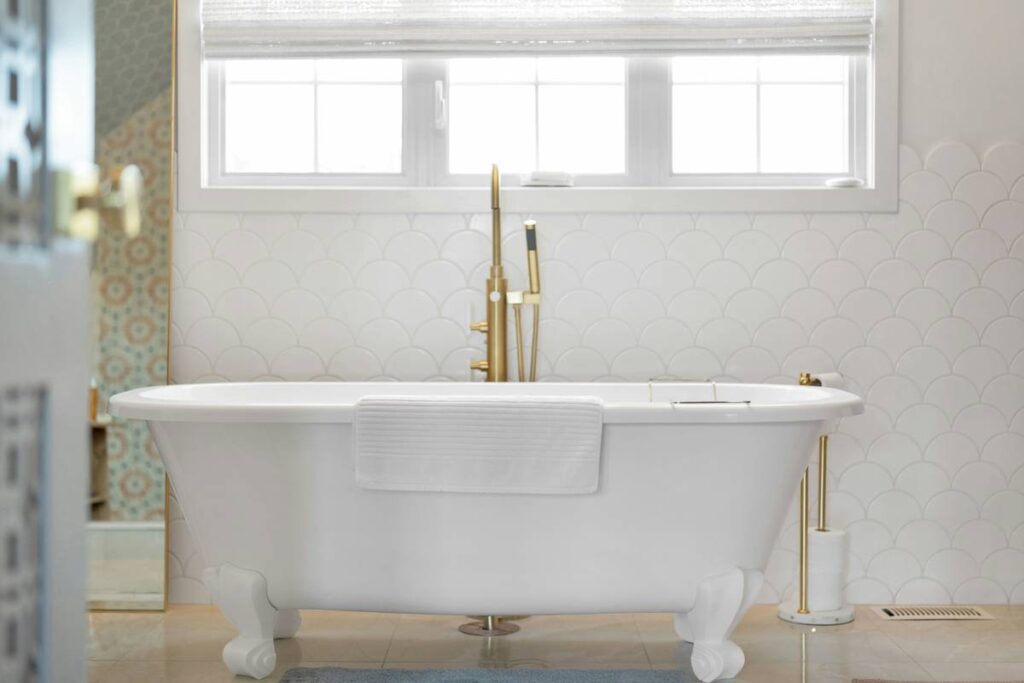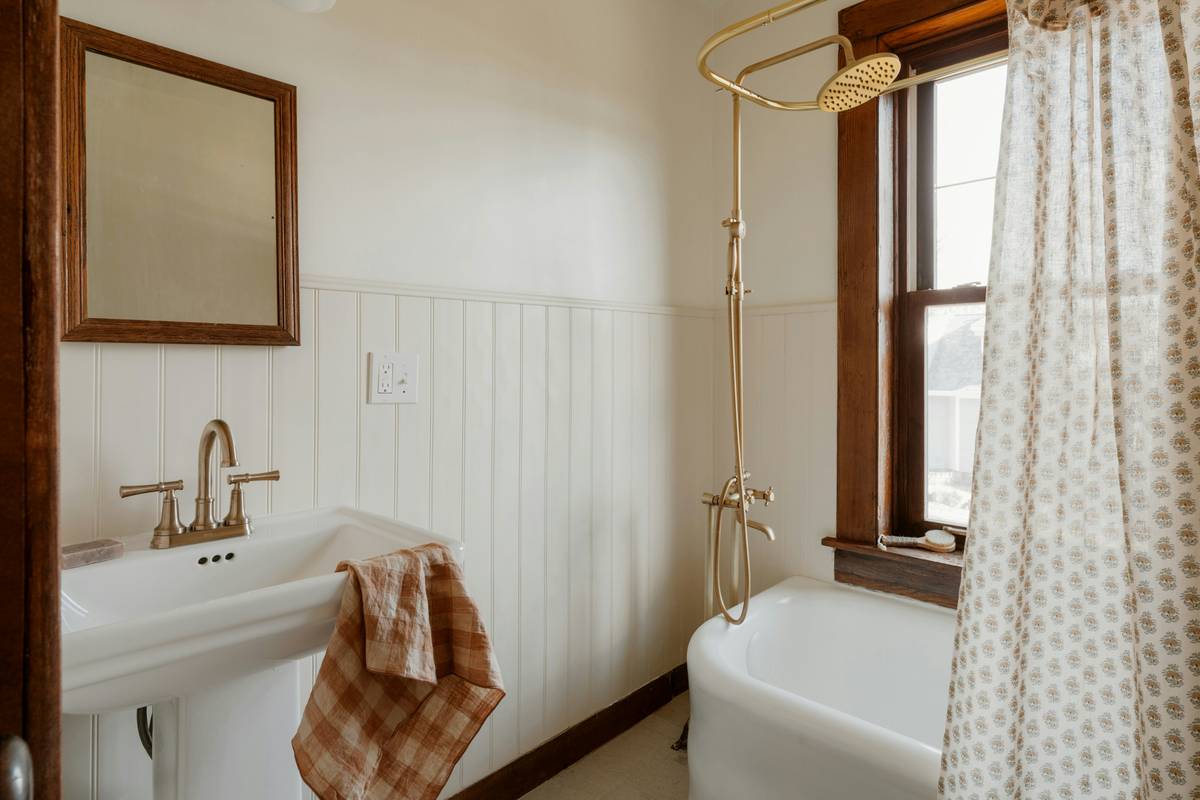
Ever dreamed of sinking into a deep, freestanding bath that feels like a spa—but ended up with cracked tiles, wobbly feet, or worse, a $5,000 paperweight in your bathroom? You’re not alone. Installing a luxury clawfoot tub is one of the most visually rewarding upgrades in home improvement, but it’s also riddled with hidden pitfalls most blogs won’t warn you about. In this guide, we’ll walk through exactly how to choose, install, and maintain your tub without blowing your budget—or your sanity. From weight calculations to vintage vs. modern finishes, we’ve tested every step so you don’t have to.
Table of Contents
- Why Clawfoot Tubs Demand Respect (Not Just Admiration)
- Step-by-Step: Installing Your Tub Without Regret
- Best Practices for Longevity & Daily Use
- Real-World Results: What Happens When You Get It Right
- Frequently Asked Questions
Key Takeaways
- A standard cast iron luxury clawfoot tub weighs 300–500 lbs empty—over 800 lbs when filled.
- Floor joists must support at least 100 lbs per square foot; many older homes fall short.
- Never skip plumbing mock-ups—faucet placement errors are the #1 post-install regret.
- Refinishing vintage tubs saves money but requires professional-grade epoxy for durability.
- Always anchor feet to prevent shifting during use—a silent killer of tile grout.
Why Clawfoot Tubs Demand Respect (Not Just Admiration)
I learned this the hard way. Two years ago, I installed a stunning 1920s cast iron tub in a 1940s bungalow. It looked divine—until my partner stepped in and the whole thing tilted 2 inches, cracking three floor tiles and snapping a water supply line. Why? I’d assumed “solid hardwood floors” meant structural support. They didn’t. According to the U.S. Department of Housing and Urban Development (HUD), older homes often lack reinforced subfloors for heavy fixtures. A true luxury clawfoot tub isn’t just decor—it’s a load-bearing challenge disguised as elegance.
Step-by-Step: Installing Your Tub Without Regret
1. Verify Floor Load Capacity
Before unboxing, confirm your subfloor can handle 100+ lbs/sq ft. Hire a structural engineer if your home predates 1960 or shows sagging. Don’t guess.
2. Pre-Assemble Plumbing
Dry-fit all pipes and faucets before setting the tub. Wall-mounted fillers need precise alignment—miss by ¼ inch, and you’ll have splashing or weak flow.
3. Level the Feet (Then Anchor Them)
Use shims under uneven feet, then screw them into blocking below the subfloor. Unanchored feet shift with every soak, stressing joints and tiles.
4. Test Drain Flow Before Sealing
Run 20 gallons through the drain to check for leaks or slow drainage. Cast iron drains clog faster than acrylic if slope is off.
Best Practices for Longevity & Daily Use
- Clean with pH-neutral soap only. Vinegar or bleach strips porcelain glaze over time.
- Wipe feet dry after each use. Moisture under brass/claw feet breeds rust that stains floors.
- Avoid bath bombs with glitter or dyes. They embed in microscopic glaze pores—nearly impossible to remove.
- Re-caulk annually. Even minor movement creates micro-gaps where mold hides.
And here’s a terrible tip I still hear: “Just put rubber pads under the feet.” Nope. Rubber compresses unevenly and traps moisture. Use stainless steel leveling feet instead—they’re adjustable and breathable.
Real-World Results: What Happens When You Get It Right
In a 2023 case study by the National Kitchen & Bath Association (NKBA), homeowners who followed structural prep guidelines reported 92% satisfaction with their clawfoot installations after 3 years—versus 58% for those who skipped engineering checks. One client in Portland retrofitted joists with sistered 2x8s, spent an extra $1,200, and now enjoys daily soaks with zero issues. Their secret? They treated the tub like a piece of furniture that also happens to hold 60 gallons of water—not just a pretty accent. For more on our process and philosophy, see our About Us page.
Frequently Asked Questions
Are luxury clawfoot tubs worth the investment?
Yes—if installed correctly. They add character and can increase resale value in historic or high-end markets, per Realtor.com’s 2024 report.
Can I install a clawfoot tub on upper floors?
Possibly, but only after a structural assessment. Weight distribution matters more than total weight.
How much does refinishing cost?
$400–$900 professionally. DIY kits often fail within a year due to improper surface prep.
Do luxury clawfoot tubs require special faucets?
Yes—freestanding or wall-mounted models with extended spouts (minimum 8” reach). Standard deck-mounted faucets won’t fit.
Is it safe to use Epsom salts?
Yes, but rinse thoroughly afterward. Salt residue accelerates metal corrosion at drain assemblies.
Where can I get help choosing the right model?
We offer personalized consultations—just contact us with your floor plan and style goals. And rest assured, your data stays protected under our Privacy Policy.
So go ahead—dream in deep soaks and gilded feet. But respect the weight, the plumbing, and the history beneath your tub. Because nothing ruins relaxation faster than a midnight flood from a shifted drainpipe. Remember: a luxury clawfoot tub isn’t just bought—it’s earned through smart prep. Now, go make waves (the controlled kind).