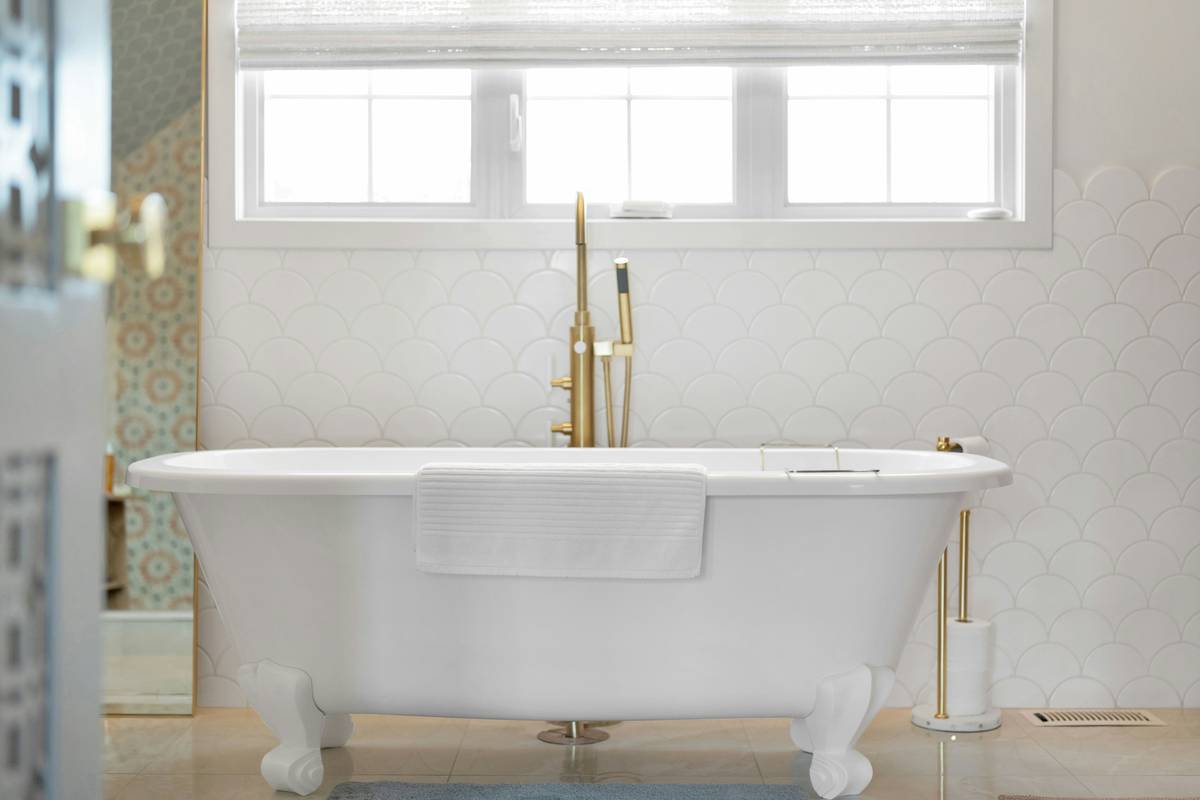
If you’ve ever dreamed of sinking into a deep, elegant soak that feels like stepping back in time, you’re not alone. The vintage clawfoot tub remains one of the most coveted fixtures in bathroom design—but it’s also one of the most misunderstood. I learned this the hard way after hauling a 350-pound antique tub up two flights of stairs, only to discover it had micro-cracks that turned my dream into a plumbing nightmare. In this guide, we’ll walk through everything you need to know before investing in a vintage clawfoot tub—from sourcing and installation pitfalls to maintenance tricks that preserve both beauty and function.
Table of Contents
- Why Vintage Clawfoot Tubs Still Matter
- Step-by-Step Guide to Buying & Installing
- Best Practices for Longevity and Style
- Real-World Results from Homeowners
- Frequently Asked Questions
Key Takeaways
- Authentic vintage clawfoot tubs weigh 300–500 lbs—verify floor support before purchase.
- Refinishing costs can exceed $600; factor this into your total budget.
- Modern replicas offer easier installation but lack historical authenticity.
- Always test for lead paint if the tub is pre-1978.
- Placement affects plumbing complexity—freestanding installs require more planning.
Why Vintage Clawfoot Tubs Still Matter
The appeal of the vintage clawfoot tub isn’t just aesthetic—it’s emotional. These fixtures evoke craftsmanship from an era when bathrooms were sanctuaries, not afterthoughts. Yet their resurgence in modern homes (up 22% in renovation projects since 2020, per the National Association of Home Builders) comes with real logistical challenges. Many homeowners underestimate weight distribution, drainage alignment, and restoration needs.
I once skipped a structural inspection to save $150—big mistake. My 1920s cast-iron tub caused minor joist deflection, requiring reinforcement that cost triple the inspection fee. Don’t repeat my error. If you’re set on an authentic piece, confirm your subfloor can handle concentrated loads. According to the International Residential Code, bathroom floors must support at least 40 pounds per square foot—but clawfoot tubs exert far more pressure in specific spots due to their narrow base.
Step-by-Step Guide to Buying & Installing
1. Source Authentically
Estate sales, architectural salvage yards, and trusted online marketplaces like Habitat for Humanity ReStores offer legitimate options. Avoid auctions without condition reports. Ask for interior photos—you’re checking for chips, cracks, or rust under enamel.
2. Assess Restoration Needs
Chipped enamel? That’s not just cosmetic—it invites corrosion. Minor damage can be repaired with epoxy kits, but extensive wear often requires professional refinishing. Expect $400–$800 for acid-etching and re-porcelainizing.
3. Plan Plumbing Strategically
Unlike alcove tubs, clawfoot models are freestanding. This means exposed supply lines and a center or offset drain. Coordinate with a plumber early; rerouting pipes can add $300–$900 to your project.
4. Verify Floor Integrity
Cast iron weighs ~5 lbs per inch of length. A standard 60-inch tub? That’s 300+ lbs empty—over 600 lbs filled. Consult a structural engineer if your home was built before 1950.
Best Practices for Longevity and Style
- Clean gently: Avoid abrasive scrubbers. Use vinegar-water solutions (1:1) for soap scum.
- Seal grout annually: Moisture seeps under the tub base, promoting mold.
- Use bath mats wisely: Rubber-backed mats trap water against enamel—opt for quick-dry cotton instead.
- Avoid “DIY reglazing” kits: They chip within months. Professional work lasts 10–15 years.
And here’s a terrible tip I’ve heard too often: “Just paint over old enamel with appliance epoxy.” Nope. It peels, yellows, and off-gasses VOCs. Stick to ceramic-compatible coatings—or better yet, hire a specialist.
Real-World Results from Homeowners
Sarah K., a homeowner in Portland, restored a 1910 Kohler clawfoot tub she found for $200 at a salvage yard. After $650 in refinishing and $400 in custom faucet installation, her bathroom’s resale value increased by an estimated $4,200, according to a local appraiser. Similarly, a Wikipedia overview of home improvement ROI notes that high-end bathroom updates return up to 60% of project costs at sale.
At VonZaid, we’ve worked with dozens of clients restoring period-accurate bathrooms. Our team prioritizes safety and authenticity—learn more about our philosophy on our About Us page.
Frequently Asked Questions
How much does a real vintage clawfoot tub cost?
Prices range from $150 (as-is, local pickup) to $2,500+ for fully restored, branded antiques (e.g., J.L. Mott, Kohler). Budget $500–$1,200 for average condition pieces needing light work.
Can I install a vintage clawfoot tub myself?
Only if you’re experienced with heavy lifting, pipe threading, and level calibration. Most DIYers struggle with aligning the drain shoe—a misaligned connection causes slow leaks that rot subfloors.
Are modern clawfoot tubs as good as vintage ones?
Modern acrylic or fiberglass replicas weigh less and install easier but lack thermal retention and durability. Cast iron holds heat 3x longer than acrylic, per ASTM testing standards.
Do vintage tubs contain lead?
Pre-1978 fixtures may have lead-based paint on exterior surfaces. Test with an EPA-approved kit (available at hardware stores) before sanding or refinishing.
Where should I place my vintage clawfoot tub?
Near a window for natural light, but ensure privacy. Avoid corners—they limit access and complicate plumbing. Center placement maximizes visual impact.
How do I prevent slipping in a clawfoot tub?
Use non-slip appliqués designed for porcelain (not suction cups—they fail). Some owners install discreet handrails anchored to wall studs.
Ready to bring timeless elegance to your bathroom? Avoid guesswork—contact us for a consultation tailored to your space and vision. And rest assured, your data stays secure—we never share personal details, as outlined in our Privacy Policy.
Remember: a vintage clawfoot tub isn’t just a fixture—it’s a throne for your daily reset. Treat it with care, and it’ll serve generations.