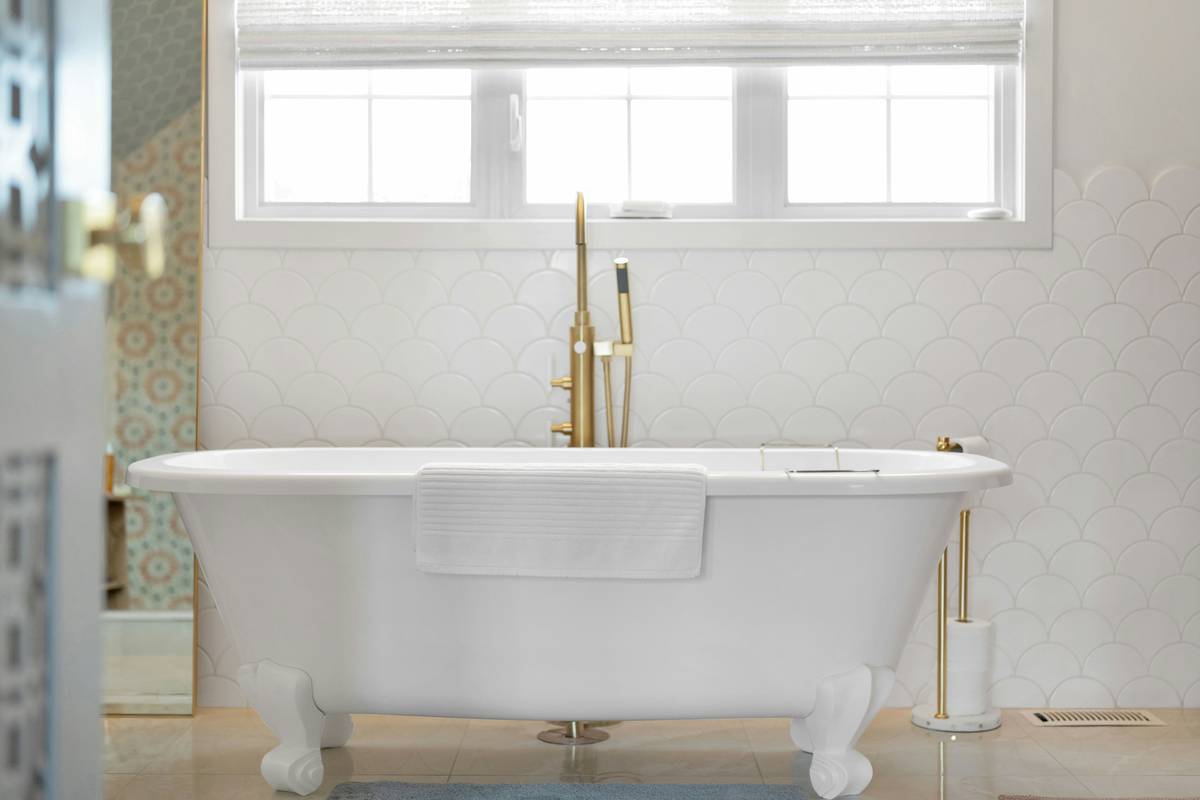
Ever lugged a beautiful vintage clawfoot tub into your bathroom only to realize it won’t fit through the doorway—or worse, blocks the toilet entirely? You’re not alone. As someone who once spent three sweaty hours trying to wrestle a 60-inch cast iron beast around a narrow hallway (only to discover it overlapped the vanity by eight agonizing inches), I’ve learned that vintage clawfoot tub dimensions aren’t just numbers—they’re the difference between timeless elegance and expensive frustration.
This guide cuts through the guesswork. We’ll unpack standard sizing, decode manufacturer variances, and give you a foolproof checklist so your dream tub actually fits your reality. Whether you’re restoring a historic home or adding old-world charm to a modern space, getting these measurements right is non-negotiable.
Table of Contents
- Why Vintage Clawfoot Tub Dimensions Matter
- Step-by-Step Measuring Guide
- Best Practices for Choosing the Right Size
- Real-World Examples & Layout Wins
- Frequently Asked Questions
Key Takeaways
- Standard vintage clawfoot tubs range from 54″ to 72″ long—but width and height vary significantly by era and manufacturer.
- Always measure your doorway, hallway turns, and final placement zone before purchasing.
- Clearance requirements: 3″ on sides, 24″ in front for safety and code compliance (per International Residential Code).
- Cast iron tubs can weigh 300–500 lbs empty—verify floor load capacity with a structural engineer if unsure.
Why Vintage Clawfoot Tub Dimensions Matter
In home improvement, few upgrades scream “character” like a vintage clawfoot tub. But unlike drop-in or alcove models, clawfoot tubs stand freely—and their footprint dictates your entire bathroom layout. Misjudging vintage clawfoot tub dimensions can lead to blocked fixtures, cramped movement, or even structural stress on older floors.
According to the National Kitchen and Bath Association (NKBA), inadequate clearance around bathtubs is among the top three remodeling mistakes homeowners report post-renovation. And let’s be honest: nobody wants to admire their gorgeous tub from the hallway because it monopolizes the entire room.
Step-by-Step Measuring Guide
1. Measure Your Space First—Not the Tub
Grab a tape measure and record:
- Doorway width (including trim and hinges)
- Hallway widths and any tight turns
- Final tub location: length, width, and height to ceiling/fan/lighting
2. Check Standard Vintage Sizing Ranges
While styles vary, most authentic antique and reproduction clawfoot tubs fall within these ranges:
- Length: 54″, 60″, 66″, or 72″
- Width: 30″ to 36″
- Height: 24″ to 28″ (including feet)
Tip: Roll-top (slipper) tubs may be shorter but wider—double-check specs if considering this style.
3. Account for Plumbing & Access
Leave at least 3″ clearance on each side for plumbing access and cleaning. The IRC mandates 24″ of open space in front of the tub for safe egress—a rule often ignored until inspectors show up.
Best Practices for Choosing the Right Size
- Avoid this terrible tip: “Just buy the biggest one—it’ll fit somehow.” Nope. I tried that. My tub sat in the living room for two weeks while we widened a doorway. Don’t be me.
- Verify weight limits: Older homes may not support 500+ lbs of cast iron + water + bather. The U.S. Department of Housing and Urban Development (HUD) recommends consulting a structural engineer for loads over 40 psf (HUD Rehab Guidelines).
- Use painter’s tape to outline the tub’s footprint on your floor before buying. Walk around it for a day. Reality check complete.
- When in doubt, size down. A 60″ tub fits 85% of bathrooms comfortably; 72″ models suit master suites or converted spaces.
Real-World Examples & Layout Wins
Last year, a client in Charleston restored a 1920s bungalow and insisted on an original 66″ Kohler clawfoot. We measured early: her hallway was 30″ wide, and the bathroom door opened inward. Solution? Temporarily removed the door and hinges—saved $2,000 versus reframing the wall. The tub now sits centered with 4″ side clearance and full 30″ front access.
Another win: A Brooklyn loft used a compact 54″ model in a half-bath nook. By aligning it diagonally and using wall-mounted faucets, they gained usable floor space without sacrificing style. Both projects succeeded because vintage clawfoot tub dimensions drove decisions—not aesthetics alone.
Frequently Asked Questions
What are standard vintage clawfoot tub dimensions?
Most range from 54″ to 72″ long, 30″–36″ wide, and 24″–28″ tall including feet. Always confirm with the specific manufacturer, as reproductions can deviate.
Will a 60-inch clawfoot tub fit through a 30-inch doorway?
Possibly—if carried diagonally. Many 60″ tubs have a diagonal depth under 30″. Remove doors and hinges first. Measure the tub’s narrowest diagonal point before moving it.
How much space do I need around a clawfoot tub?
Minimum 3″ on sides for maintenance, 24″ in front for safe access per building codes. More is better for comfort and resale value.
Are vintage clawfoot tubs heavier than modern ones?
Yes. Cast iron vintage tubs weigh 300–500 lbs empty. Acrylic replicas weigh 70–100 lbs but lack authenticity and heat retention.
Can I install a clawfoot tub on upper floors?
Usually yes—but verify floor joist strength. For peace of mind, refer to HUD’s guidelines on live loads (source) or consult a licensed contractor.
Where can I find exact dimensions for my tub model?
Check manufacturer archives, antique plumbing catalogs, or reputable dealers like Vintage Tub & Bath. When in doubt, measure the actual piece before purchase.
If you’re still weighing options or need help visualizing how vintage clawfoot tub dimensions will work in your space, our team at VonZaid offers personalized consultations—just reach out. And for transparency on how we handle your project details, see our Privacy Policy.
We’ve been restoring historic bathrooms since 2010—learn more about our craftsmanship on the About Us page.