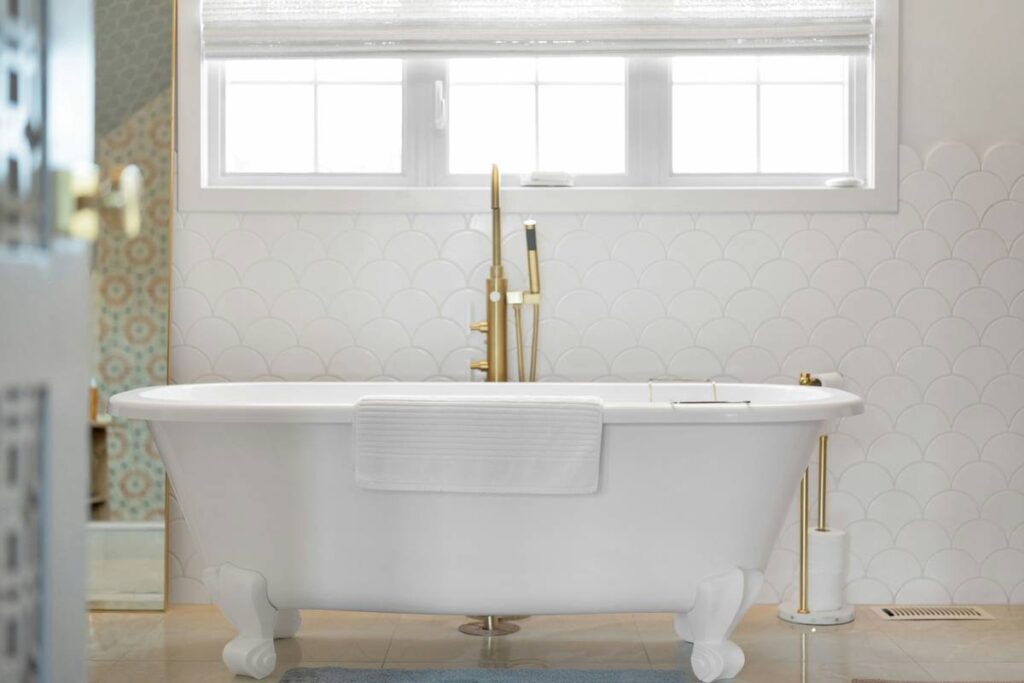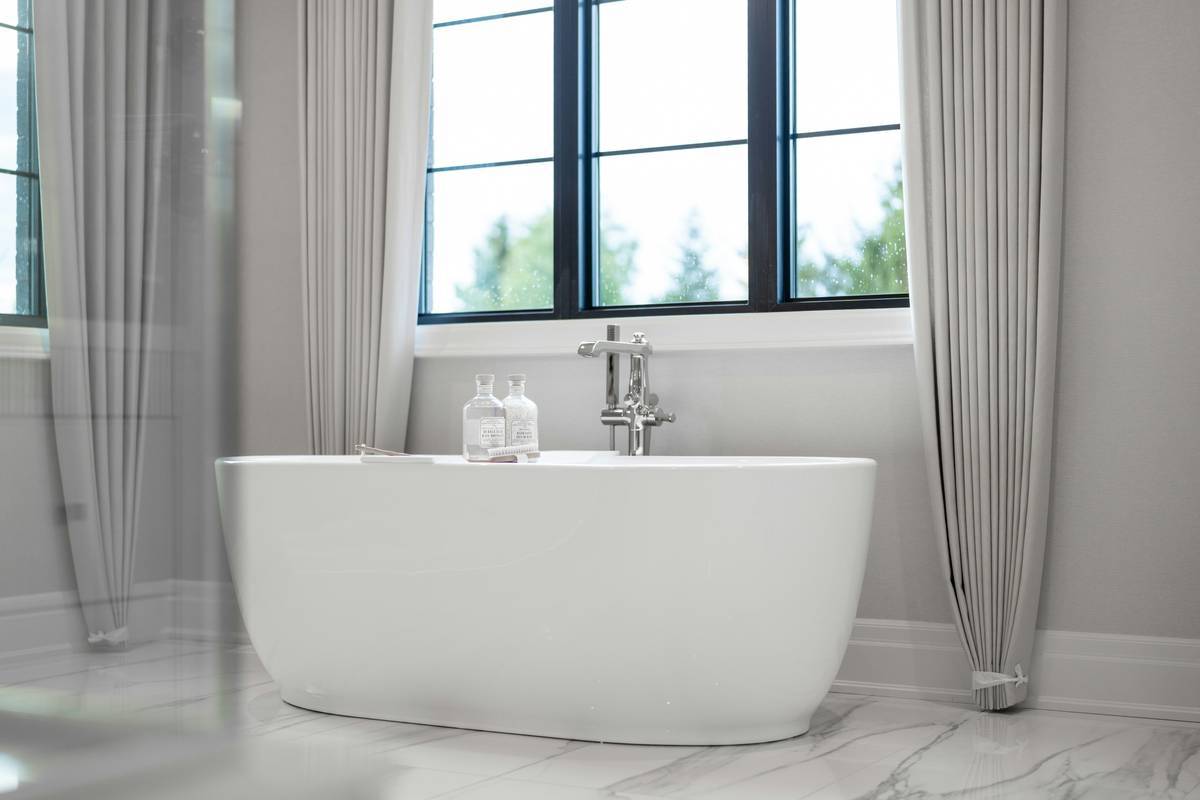
You’ve seen the Pinterest-perfect photos. The clawfoot tub centerpiece, dripping in vintage charm. But then reality hits: cramped layouts, plumbing nightmares, and a resale value that’s anything but guaranteed. Most homeowners install a clawfoot bathtub bathroom ideas as a romantic afterthought—then regret it within months. Here’s the fix: stop treating it like décor. Start designing around function first.
Why Most Clawfoot Tub Installations Backfire
It’s not the tub—it’s the strategy. Too many designers drop a clawfoot into a modern shell and call it “eclectic.” The result? A visual island with zero cohesion. Worse, they ignore the physics: these tubs weigh 300–500 lbs empty. Older floors sag. Pipes crack. And if your tub sticks out more than 4 inches past your vanity line? Good luck drying off without tracking water everywhere.
And let’s talk cost creep. That $1,200 antique tub? Add $800 for floor reinforcement, $600 for custom plumbing reroutes, and $400 for a tailored surround—and you’re north of $3,000 before tile even touches mortar.
clawfoot bathtub bathroom ideas: A No-BS Implementation Plan
Step 1: Audit Your Space Like a Contractor—Not a Dreamer
Measure ceiling height (minimum 8 ft ideal), floor joist direction, and existing drain location. If your tub’s drain won’t align within 6 inches of the existing stack, budget for wall or floor access. Period.
Step 2: Choose Your Clawfoot Type Based on Behavior—Not Aesthetics
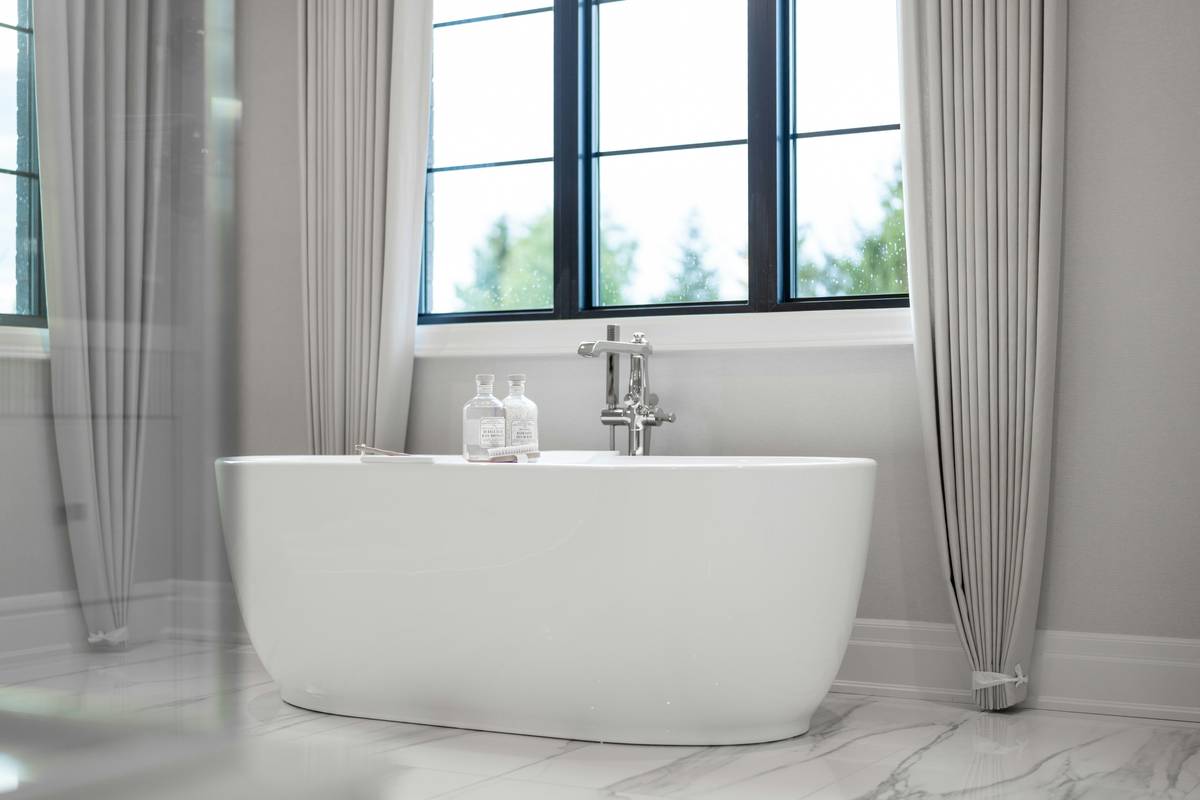
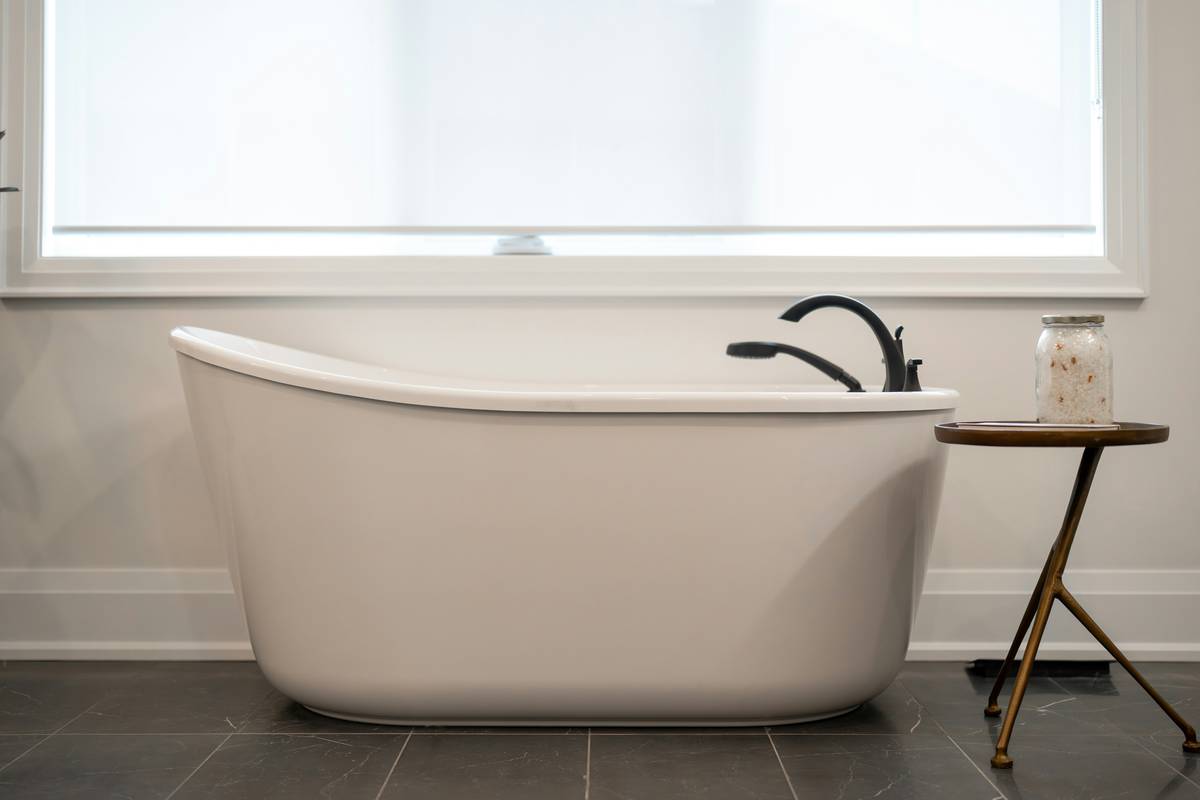
Slipper vs. double-ended? It’s not about looks—it’s about how you bathe. Solo soaker? Go single slipper—it angles toward you, reduces splashing, and fits tighter corners. Sharing the tub regularly? Double-ended offers symmetrical comfort but demands at least 60” of clear floor space front and back.
Step 3: Integrate Storage Without Breaking the Vibe
Avoid floating shelves directly above—condensation warps wood fast. Instead, tuck narrow ladder racks beside the tub or build recessed niches into adjacent walls during rough-in. Pro move: mount towel bars to the tub’s frame itself using reinforced brackets rated for wet loads.
| Installation Approach | Upfront Cost | Floor Impact | Best For |
|---|---|---|---|
| Freestanding Centerpiece | $2,500–$4,200 | High (reinforcement required) | Homes with open-concept bathrooms & structural support |
| Wall-Hugging Single Slipper | $1,800–$2,900 | Moderate (partial reinforcement) | Urban apartments & powder room conversions |
| Alcove Retrofit with Clawfoot Facade | $1,300–$2,100 | Low (uses existing plumbing footprint) | Budget-conscious renovations with vintage aspirations |
The Industry Secret: They’re Not Bathtubs—They’re Design Anchors
Here’s what no one tells you: the clawfoot tub shouldn’t be the *focus*—it should be the *fulcrum*. Top-tier designers use it to dictate flow, lighting, and even ventilation. Example: position the tub’s foot end toward a window, then hang a minimalist pendant 30” above the headrest—not centered over the tub. This creates intimacy while avoiding glare during evening soaks. And ventilation? Run exhaust fans on timers synced to your shower schedule, not occupancy sensors—steam lingers longer around curved cast iron than flat acrylic. The math is simple: treat the tub as infrastructure, not furniture, and every other decision snaps into place.
Frequently Asked Questions
Can I install a clawfoot tub in a small bathroom?
Yes—but only if you choose a wall-hugging slipper model under 60” long and leave at least 24” clearance on the access side. Skip it if your door swings inward.
Do clawfoot tubs increase home value?
Only in markets that prize character (think Brooklyn brownstones or Austin bungalows). In tract homes, they often deter buyers who prefer walk-in showers. Know your buyer profile first.
What flooring works best under a clawfoot tub?
Waterproof rigid core vinyl or large-format porcelain tile with linear drain integration. Never carpet—or softwood without a sealed underlayment. Water WILL pool beneath.