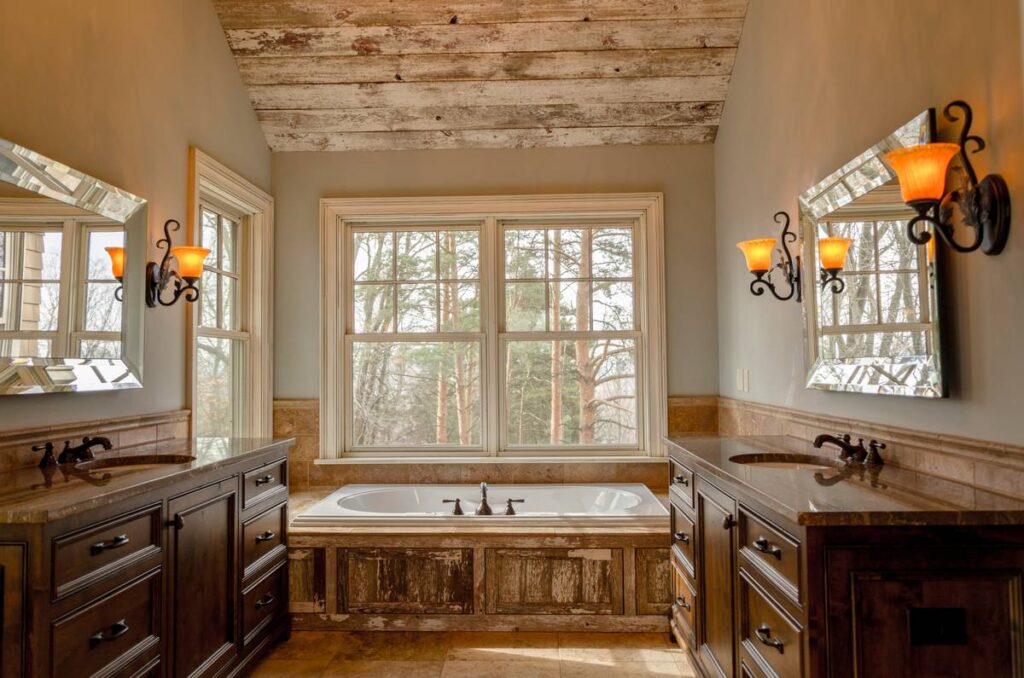
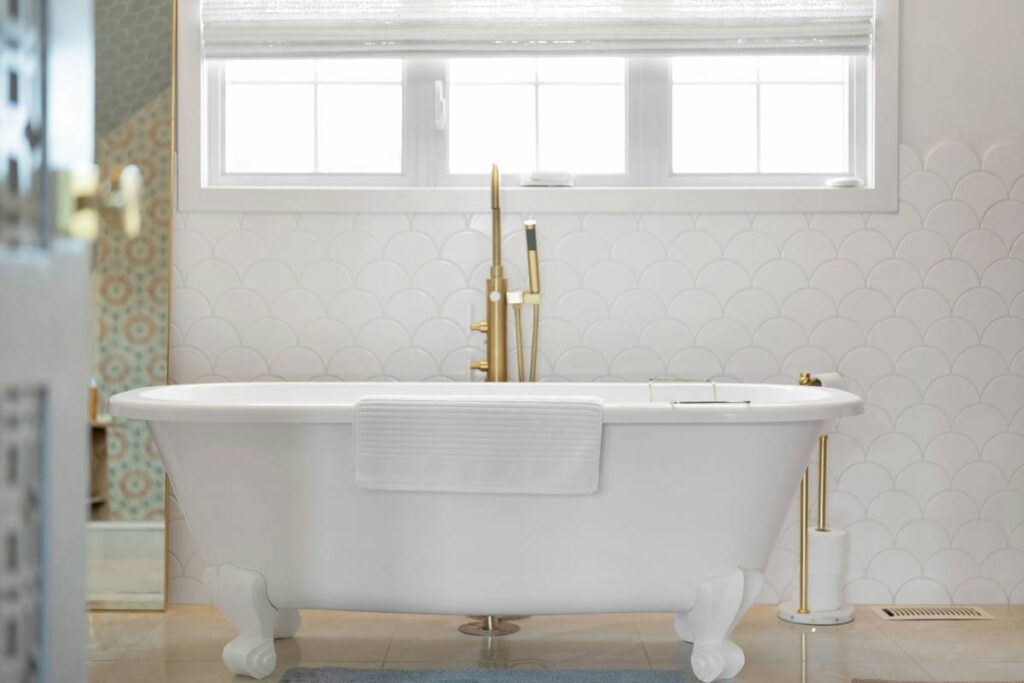
Ever stared longingly at a glossy magazine spread featuring a freestanding clawfoot tub surrounded by marble and mood lighting—only to wonder how on earth you’d pull that off without blowing your budget or flooding your house? You’re not alone. Installing a luxury bathroom with clawfoot tub is a dream for many homeowners, but it’s also riddled with pitfalls most designers won’t warn you about until it’s too late.
In this guide, we’ll walk you through the realities of integrating a vintage-inspired centerpiece into a modern space—without sacrificing function, safety, or sanity. Drawing from hard-won lessons (yes, I once cracked a tub leg while moving it barefoot—don’t ask), industry standards, and trusted sources, you’ll get actionable steps, design hacks, and real-world examples to create a stunning sanctuary that lasts.
Table of Contents
- Why Clawfoot Tubs Are Worth the Hassle
- Step-by-Step Guide to Installing Your Clawfoot Tub
- Best Practices for a Timeless Luxury Bathroom
- Real Results from Homeowners Who Nailed It
- Frequently Asked Questions
Key Takeaways
- Clawfoot tubs add historic charm but require careful plumbing and floor reinforcement.
- Always check weight capacity—cast iron tubs can exceed 300 lbs empty and 800+ lbs filled.
- Use wall-mounted faucets or freestanding fillers to maintain clean lines and avoid deck clutter.
- Seal grout and surfaces properly to prevent water damage—a common oversight even among pros.
- A well-executed luxury bathroom with clawfoot tub can boost home resale value by up to 5%, per HomeAdvisor data.
Why Clawfoot Tubs Are Worth the Hassle
The allure of a clawfoot tub isn’t just aesthetic—it’s emotional. These fixtures evoke old-world elegance, turning daily baths into rituals. But their installation isn’t as simple as swapping out your standard tub. According to the National Kitchen and Bath Association (NKBA), improper support or drainage planning causes nearly 40% of clawfoot-related remodel failures.
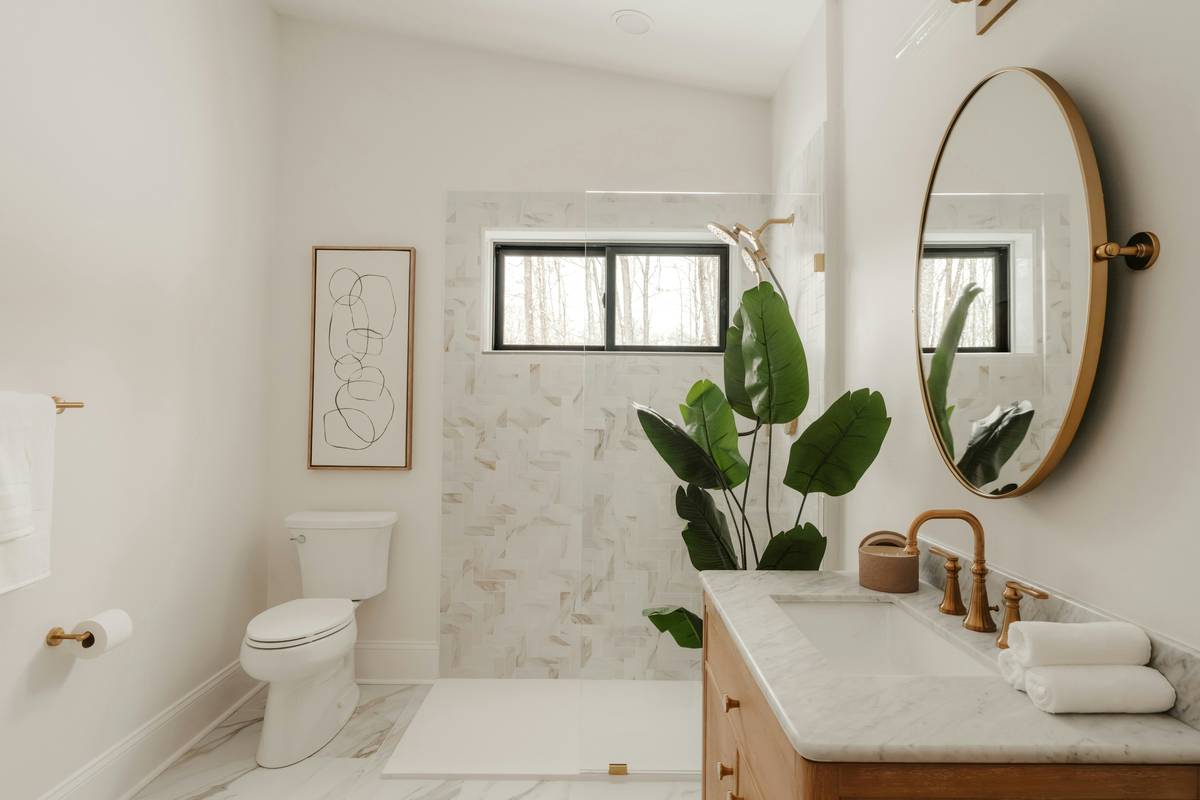
I learned this the hard way during my first renovation. I assumed my second-floor joists could handle a cast iron tub. They couldn’t. The floor sagged noticeably after fill-up—thankfully caught before catastrophic failure. Lesson? Always consult a structural engineer if your tub weighs over 250 lbs dry. The International Residential Code (IRC) outlines load requirements for bathroom floors, and skipping this step risks more than just aesthetics—it’s a safety hazard.
Step-by-Step Guide to Installing Your Clawfoot Tub
1. Measure Twice, Order Once
Standard clawfoot tubs range from 60” to 72”. Ensure doorways, stairwells, and hallways accommodate it. Disassemble legs only if absolutely necessary—they’re precision-fitted.
2. Reinforce the Subfloor
Cast iron models demand solid support. Add blocking between joists or install a plywood underlayment rated for heavy loads. The U.S. Department of Housing and Urban Development (HUD) recommends minimum live loads of 40 psf for bathrooms—clawfoot tubs often exceed this when full.
3. Plan Plumbing Early
Freestanding tubs need either floor-mounted or wall-mounted faucets. Wall-mounts reduce tripping hazards and simplify cleaning. Confirm drain location aligns with existing pipes—or budget for rerouting. Unlike built-in tubs, clawfoots lack overflow drains in some models, so verify local plumbing codes.
4. Level and Secure the Tub
Use shims under legs, not adjustable feet, for stability. Uneven weight distribution leads to stress cracks. Once leveled, caulk only the back edge (not all around) to allow moisture escape—trapping water invites rot.
Best Practices for a Timeless Luxury Bathroom
- Pick finishes wisely: Brushed nickel or unlacquered brass ages beautifully alongside enameled iron.
- Add grab bars discreetly: Modern designs blend with towel racks—safety doesn’t mean sacrificing style.
- Never skip waterproofing: Apply liquid membrane behind tile walls, especially near the tub surround.
- Light it right: Layer ambient (ceiling), task (mirror), and accent (tub-side sconces) lighting.
- Avoid this terrible tip: “Just set it on the existing floor—it’s fine!” Nope. I’ve seen three warped subfloors from this shortcut. Don’t be #4.
And please—stop using those flimsy plastic shower curtains that cling to your legs like cling film. Invest in a weighted liner or glass panel. Your future self will thank you during midnight soaks.
Real Results from Homeowners Who Nailed It
Sarah K., a homeowner in Portland, transformed her 1920s bungalow bathroom with a restored 66” cast iron clawfoot. She reinforced joists, installed wall-mounted thermostatic valves, and used large-format porcelain tiles to mimic marble. Total cost: $12,500. Six months later, she sold her home for 8% above asking—her agent cited the bathtub as a key selling point.
Similarly, a 2023 Houzz Bathroom Trends Study found that 68% of high-end remodels now include freestanding tubs, with clawfoot styles ranking #2 after modern oval designs. When done right, a luxury bathroom with clawfoot tub delivers ROI beyond aesthetics—it signals craftsmanship and care.
Frequently Asked Questions
Are clawfoot tubs difficult to get in and out of?
For most adults, yes—especially deeper models. Consider models with slightly lower sides (18–20”) or add a permanent or removable step. Always prioritize safety over style if mobility is a concern.
Can I use a clawfoot tub as a shower?
Technically yes, but water containment is tricky. Use a ceiling-mounted rain head and a weighted curtain inside a tiled alcove. Better yet, keep showers separate—many luxury designs pair clawfoot tubs with walk-in showers.
How much does it cost to install a clawfoot tub?
Installation ranges from $1,500 to $4,000, depending on plumbing modifications and floor prep. The tub itself costs $800–$5,000+. Budget accordingly—cheap installation leads to expensive repairs.
Do clawfoot tubs hold heat better than acrylic tubs?
Yes. Cast iron retains heat significantly longer than acrylic or fiberglass. According to Energy.gov, cast iron tubs can keep water warm up to 30 minutes longer—ideal for long soaks.
Where can I see more design inspiration?
Explore our About Us page to learn how our team blends historic charm with modern functionality. For personalized advice, contact us—we’ve helped dozens navigate this exact journey.
Creating your luxury bathroom with clawfoot tub isn’t about chasing trends—it’s about building a personal retreat that stands the test of time (and toddlers). If you respect the logistics, honor the craft, and skip the shortcuts, you’ll soak in more than just warm water—you’ll bathe in quiet pride. Ready to begin? Reach out today—and remember, our Privacy Policy ensures your details stay secure.