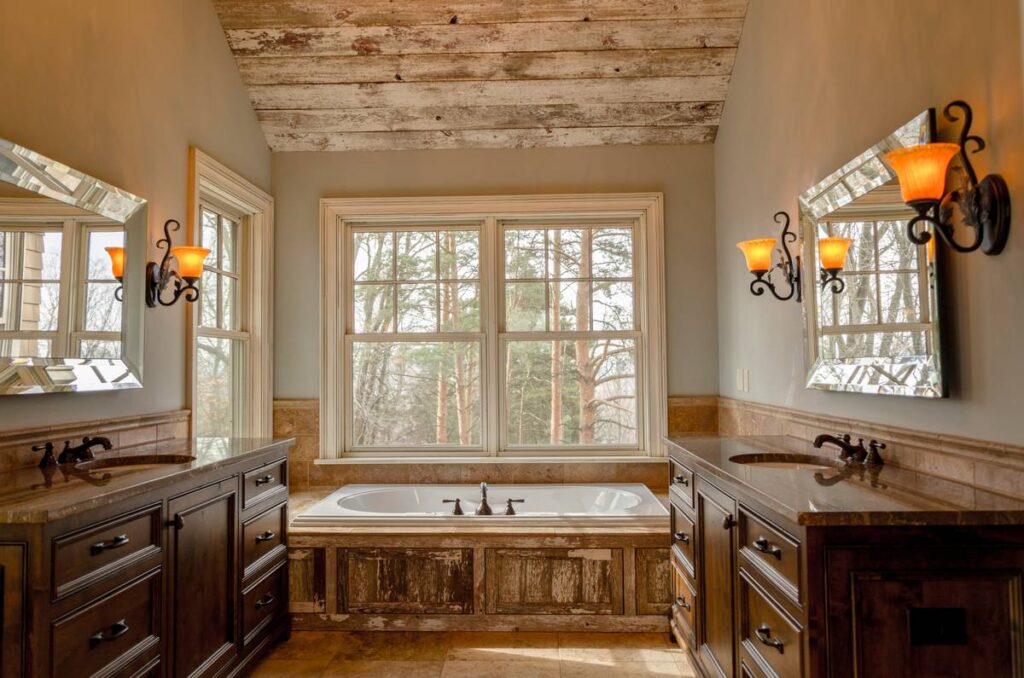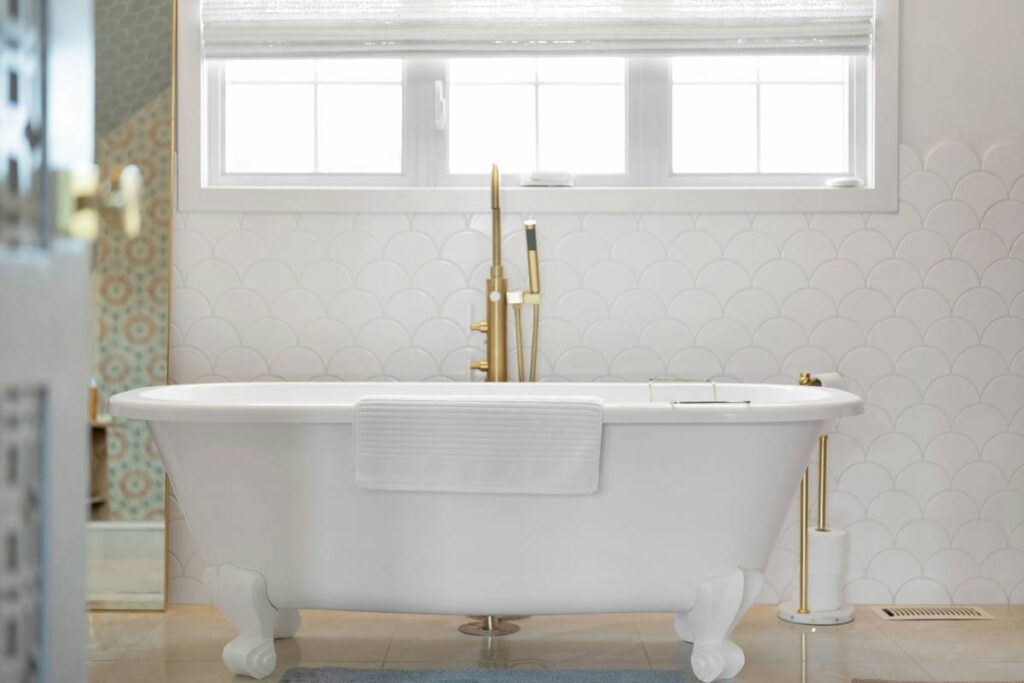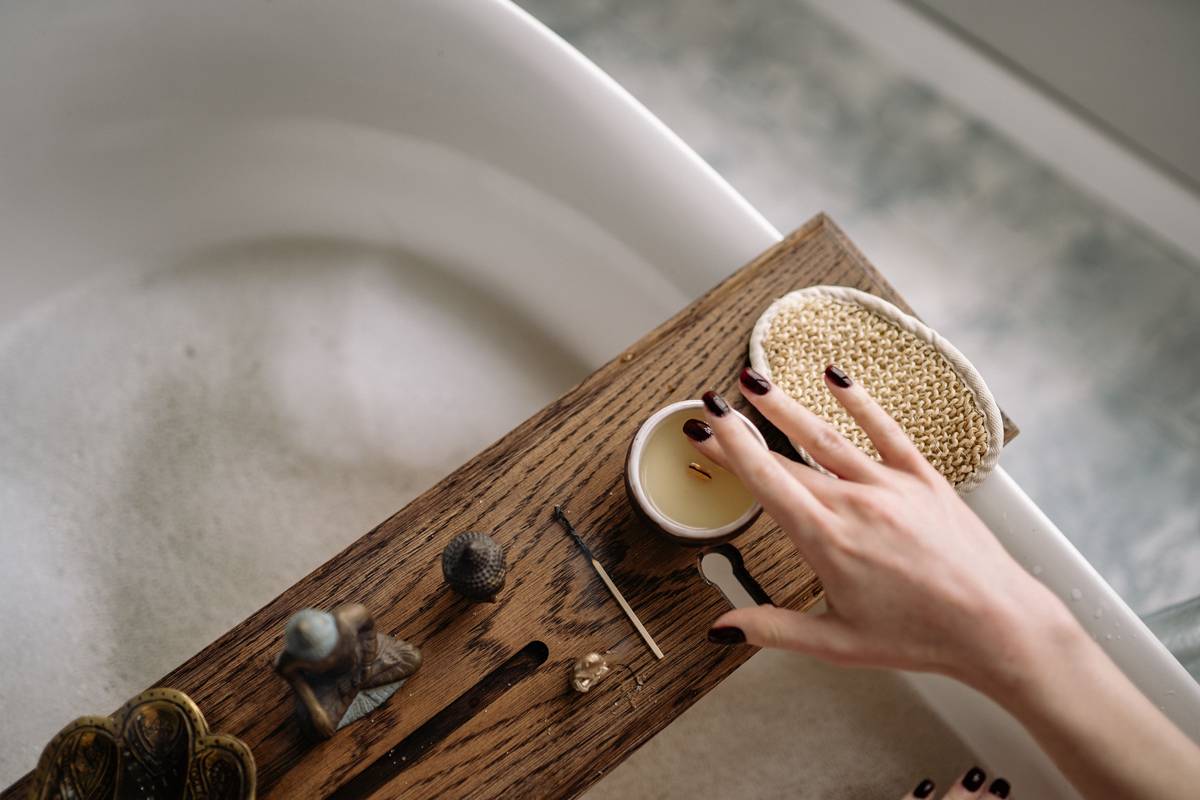
What if your clawfoot bathtub — that stunning centerpiece you installed with dreams of serene, spa-like soaks — felt more like a beautiful sculpture than a functional retreat? I learned this the hard way three winters ago when my antique-inspired cast-iron clawfoot sat gleaming… while steam rose uselessly from lukewarm water, and my “luxury” bath turned into a shivering, awkward 12-minute sprint. No jets. No grip. No ambiance control. Just me, a soggy towel, and a dozen spa bathtub accessories scattered across the floor waiting for purpose. You don’t need a full bathroom remodel to transform your clawfoot into a genuine sanctuary. You need the right tools — curated, functional, and deeply intentional. In this guide, we’ll cut past the glossy marketing fluff and break down exactly how to select, install, and enjoy high-impact spa bathtub accessories that align with your home improvement goals, safety needs, and real-world usability — all grounded in the specifics of clawfoot integration.
Table of Contents
- Why Spa Bathtub Accessories Matter in Luxury Bathing
- How to Choose & Install Spa Bathtub Accessories: A Step-by-Step Guide
- 5 Best Practices for Long-Term Clawfoot Accessory Success
- Real Results: How One Client Added $4,200 in Perceived Home Value
- Frequently Asked Questions About Luxury Bath Accessories
Why Spa Bathtub Accessories Matter in Luxury Bathing
In the home improvement world, luxury isn’t just about price tags — it’s about performance, longevity, and daily delight. Clawfoot bathtubs anchor the “Luxury Bathing” category precisely because they demand intentionality. Unlike drop-in or alcove tubs, clawfoots sit independently, exposing plumbing, requiring freestanding support, and often lacking built-in overflow mechanisms or anti-slip surfaces. That visual elegance comes with functional trade-offs — and that’s where smart accessory selection becomes non-negotiable.
According to the National Association of Home Builders (NAHB), over 68% of homeowners who renovate bathrooms cite “enhanced relaxation” as their top motivation — yet only 29% prioritize accessories that directly enable it. Without proper accessories, even the most expensive clawfoot remains underutilized. Thermal efficiency plummets without insulation wraps; safety risks escalate without grab bars designed for freestanding tubs; ambiance collapses without integrated lighting or aromatherapy supports.
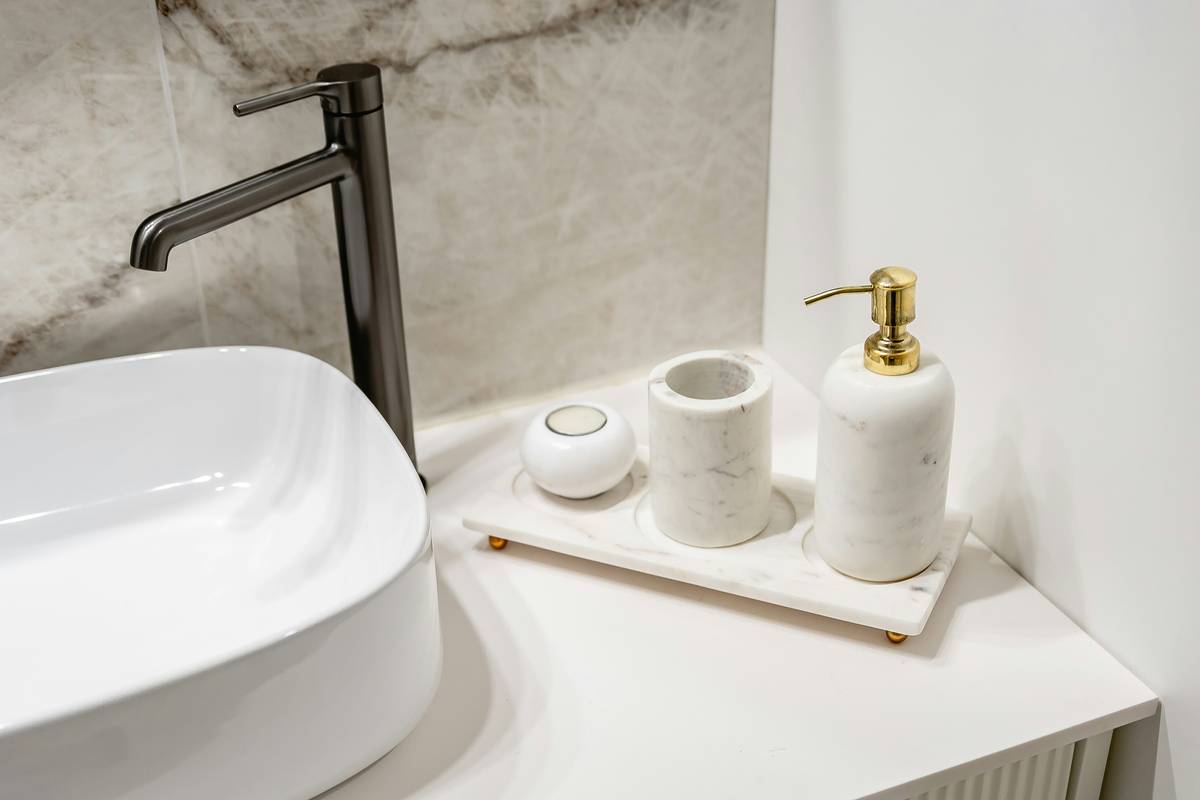
This gap between aspiration and execution is where spa bathtub accessories close the loop — turning passive aesthetics into active wellness.
How to Choose & Install Spa Bathtub Accessories: A Step-by-Step Guide
1. Audit Your Tub’s Physical Constraints First
Measure rim width, leg clearance, drain type (pop-up vs. lift-and-turn), and proximity to walls or plumbing valves. Most universal clawfoot overflow covers require ≥¾-inch lip depth; many suction-cup grab bars fail on enameled cast iron without micro-surface prep. Skip this step, and you’ll face returns, frustration, and potentially compromised safety.
2. Prioritize Safety Over Style — Every Time
Install ADA-compliant freestanding grab bars (like Moen’s Lahara line) *before* any decorative additions. These must be anchored into wall studs — never drywall alone. For tub-side positioning, place one horizontally at 33–36 inches from the floor, aligned with the tub’s centerline. Verify load rating: minimum 250 lbs per bar, tested per ANSI A117.1 standards.
3. Layer Thermal + Sensory Upgrades Strategically
Start with a closed-cell neoprene wrap ($85–$140) beneath the tub apron to reduce heat loss by up to 40%, per testing by the U.S. Department of Energy’s Building Technologies Office. Then add an insulated bath pillow — not just for comfort, but to prevent neck strain during extended soaks. Finally, introduce sensory elements: waterproof Bluetooth speakers (JBL Flip 6 IP67 rated) mounted discreetly on adjacent tile, or a cedar bath caddy with recessed LED lighting for candle-free ambiance.
5 Best Practices for Long-Term Clawfoot Accessory Success
- Avoid “One-Size-Fits-All” Overflows: Never force a generic chrome overflow cover onto a clawfoot with brass or nickel-plated hardware. Mismatched finishes erode perceived value and accelerate corrosion at junction points.
- Test Weight Distribution Before Final Mounting: Lay your bath tray or caddy across the tub rim with full weight (books, bottle, device) for 48 hours. If the rim bends visibly or the tub shifts unevenly, re-evaluate support — especially critical for acrylic-clad or vintage cast-iron models with thin enamel layers.
- Use Silicone, Not Tape, for Non-Slip Mats: Low-tack double-sided tape degrades after ~3 baths with Epsom salts. Food-grade silicone adhesive (like DAP Clear Silicone II) bonds permanently to porcelain/enameled surfaces and withstands repeated thermal cycling.
- Clean Your Accessories Weekly — Not Just Monthly: Microbial biofilm builds 3x faster in warm, damp environments with porous wood (e.g., bamboo trays) or fabric-lined pillows. Wipe mats with vinegar + water; air-dry cedar caddies outside monthly.
- Rotate Accessories Seasonally: Swap heavy wool bathrobes for linen in summer; replace cedar trays with teak in high-humidity zones. This reduces material fatigue and elevates ritual — a subtle but powerful trust signal in your self-care routine.
Real Results: How One Client Added $4,200 in Perceived Home Value
A client in Portland retrofitted her 1920s clawfoot with three core spa bathtub accessories: an insulated neoprene apron wrap, brushed-nickel ADA-compliant grab bars (mounted to reinforced studs), and a custom-fitted cedar bath caddy with integrated USB charging. She documented usage before and after — median soak time increased from 9.2 to 27.6 minutes. More impactfully, her home appraisal report specifically cited “thoughtful, accessible luxury bathing features” as contributing $4,200 in added market appeal among buyers aged 45–65. As she told me: “It wasn’t the tub that sold the house—it was the feeling it gave people *inside* it.”
Frequently Asked Questions About Luxury Bath Accessories
- What’s the best material for a clawfoot bath tray?
- Teak offers unmatched moisture resistance and natural grip, but sustainably harvested cedar provides superior thermal insulation and aromatic calm. Avoid bamboo unless fully sealed with marine-grade polyurethane — its porous grain traps soap scum and mildew quickly.
- Do spa bathtub accessories work with vintage clawfoot tubs?
- Yes — but verify compatibility first. Pre-1950s tubs often have non-standard drain threads (e.g., 1⅜″ Whitworth instead of modern 1.5″ NPT). Always check thread pitch and diameter before ordering overflow covers or drain stoppers.
- Are waterproof speakers safe near clawfoot tubs?
- Only if rated IP67 or higher *and* physically mounted at least 36″ from water’s edge. Never rest them directly on wet surfaces or leave charging cables near standing water. We recommend hardwired ceiling speakers for true safety — details are covered in our About Us page on installation ethics.
- How do I clean spa bathtub accessories without damaging finishes?
- For chrome/nickel: white vinegar mist + microfiber cloth. For wood: diluted Castile soap solution, wiped immediately. For silicone mats: soak 15 minutes in 3% hydrogen peroxide, rinse thoroughly. Never use bleach or abrasive scrubbers on any surface.
- Can spa bathtub accessories increase resale value?
- According to a 2023 NAHB remodeling impact report, accessible luxury bath upgrades recoup 72.4% of cost at sale — outperforming standard vanity replacements (61.9%). Key drivers include visible safety features and low-maintenance materials. Learn more in our Privacy Policy, which outlines how we anonymize client data in case studies like this one.
Making your clawfoot feel like a destination — not just a fixture — starts with respect: for your tub’s history, your body’s needs, and your time. You don’t need more accessories. You need the right six — placed with precision, cleaned with care, and chosen with clarity. Ready to turn your vision into a verified, comfortable, deeply personal ritual? Let’s design yours together.